
icl Singapore

Modern Vision Correction Tailored To Your Eyes

Today, there are several ways to reduce dependence on glasses or contact lenses.

The main options include LASIK, SMILE Pro, PRK / TransPRK and Implantable Collamer Lens (ICL) surgery.

Each works differently.

LASIK, SMILE Pro and PRK correct vision by reshaping the cornea. ICL takes a different approach by placing a customised lens inside the eye without removing corneal tissue.

The important question is therefore not simply:

“Which procedure is best?”

It is:

“Which procedure is most appropriate for my eyes?”

When I assess someone for refractive surgery, I consider the prescription, corneal shape and thickness, ocular surface, age, lifestyle and long-term visual goals before recommending a particular procedure.

Book A Refractive Surgery Assessment

Your vision correction options

ICL — Implantable Collamer Lens

Vision correction without removing corneal tissue

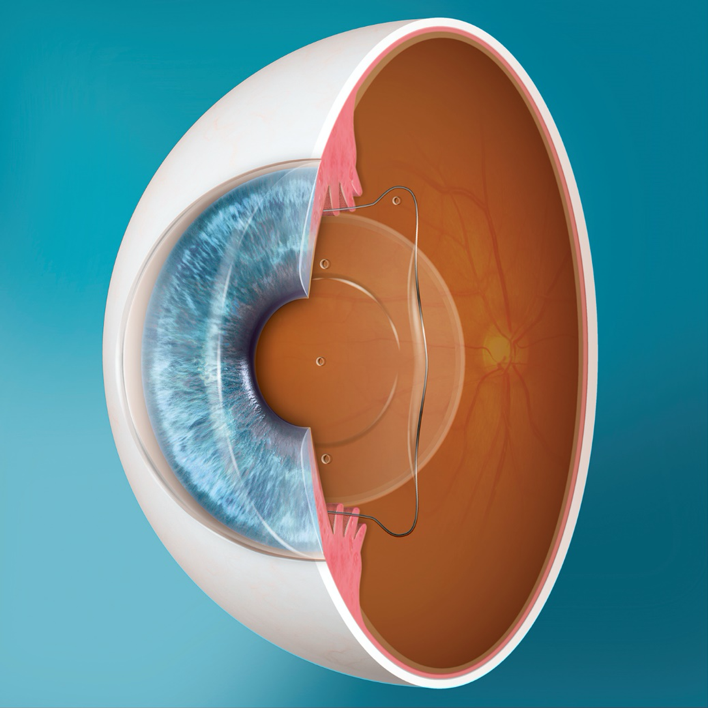
ICL surgery corrects short-sightedness and astigmatism by placing a thin customised lens inside the eye, behind the iris and in front of the natural crystalline lens.

Unlike LASIK, SMILE and PRK, ICL does not reshape the central cornea.

This makes ICL particularly attractive for selected patients with:
● Moderate to high myopia
● Relatively thin or borderline corneas
● High astigmatism
● Dry-eye concerns
● A desire to preserve corneal tissue

Toric ICLs can also correct astigmatism.

ICL is an intraocular procedure and therefore has a different set of benefits and risks compared with laser eye surgery. Careful assessment of the internal anatomy of the eye is important before treatment.

Explore ICL

SMILE Pro

Small-incision, flapless laser vision correction

SMILE stands for Small Incision Lenticule Extraction.

During SMILE Pro, a femtosecond laser creates a thin lenticule within the cornea. This is removed through a small incision, changing the shape of the cornea and correcting short-sightedness and astigmatism.

Unlike LASIK, SMILE does not require the creation of a large corneal flap.

For suitable patients, potential advantages include:
● Small corneal incision
● No LASIK flap
● Rapid visual recovery
● Treatment of myopia and astigmatism
● Potentially less early dry-eye disturbance compared with LASIK in some patients

SMILE Pro may be particularly attractive for active patients or those who would prefer a flapless laser procedure.

Explore SMILE Pro →

LASIK

Established laser vision correction with rapid recovery

LASIK has been performed worldwide for many years and remains an effective option for appropriately selected patients.

During LASIK, a thin corneal flap is created using a femtosecond laser. An excimer laser then precisely reshapes the underlying cornea before the flap is repositioned.

One of LASIK’s main advantages is very rapid visual recovery.

LASIK may be considered in patients with:
● Stable short-sightedness or astigmatism
● Healthy corneal tomography
● Adequate corneal thickness
● A healthy ocular surface
● Suitable lifestyle and visual requirements

Modern LASIK remains an excellent option when the patient’s corneal anatomy is well suited to treatment.

Explore LASIK →

PRK / TransPRK

Surface laser vision correction without a corneal flap

PRK is another form of corneal laser vision correction.

Unlike LASIK, no corneal flap is created. Instead, treatment is performed directly on the surface of the cornea.

In TransPRK, the laser is also used to remove the surface epithelial layer before reshaping the underlying cornea.

PRK may be considered in selected patients where avoiding a LASIK flap is desirable, including some patients with:
● Relatively thinner corneas
● Certain occupational or sporting requirements
● A preference for surface treatment
● Corneal characteristics where PRK is considered more appropriate than LASIK

The trade-off is a slower and less comfortable early recovery compared with LASIK or SMILE.

Explore PRK / TransPRK →

How do the procedures differ?

ICL SMILE Pro LASIK PRK / TransPRK
Main approach Lens implanted inside eye Corneal lenticule removed Cornea reshaped beneath flap Surface corneal reshaping
Corneal flap No No Yes No
Corneal tissue removed No Yes Yes Yes
Intraocular surgery Yes No No No
Early visual recovery Fast Fast Very fast Slower
High myopia Particularly useful Depends on cornea Depends on cornea More limited
Astigmatism correction Toric ICL Yes Yes Yes
Permanent corneal reshaping No Yes Yes Yes

This table provides only a general comparison.

Two patients with the same prescription may receive different recommendations because their corneal anatomy, ocular surface, lifestyle and long-term needs are different.

Compare ICL, SMILE Pro, LASIK and PRK in more detail →

How I choose between ICL, SMILE Pro, LASIK and PRK

There is no single vision correction procedure that is best for everyone.

When I assess a patient for refractive surgery, I do not start by deciding whether they should have LASIK, SMILE Pro, PRK or ICL. I first assess the eye, prescription, cornea, lifestyle and long-term visual needs. The procedure comes after that.

My aim is to recommend the option that provides the most appropriate balance of visual outcome, safety, recovery and long-term considerations for that individual patient.

1. Your prescription

The degree of short-sightedness and astigmatism is an important starting point.

For many patients with low to moderate myopia, LASIK, SMILE Pro and PRK may all be possible.

As myopia becomes higher, however, laser procedures require progressively more corneal tissue to be reshaped. In suitable patients with high myopia, I may therefore favour ICL, which corrects the prescription using an implanted lens without removing corneal tissue.

The prescription alone, however, never determines the choice.

2. Your corneal shape and thickness

Before recommending any corneal laser procedure, I assess the cornea carefully using tomography and other measurements.
I look at:
● Overall corneal thickness
● The shape of the front and back surfaces of the cornea
● Corneal symmetry
● The amount of tissue required for treatment
● The predicted amount of cornea remaining afterwards

A patient may have enough corneal thickness but an unsuitable corneal shape. Conversely, a relatively thin cornea does not necessarily rule out every form of refractive surgery.

Where I am uncomfortable removing additional corneal tissue, ICL may be a better option.

3. Your ocular surface and dry-eye status

Dry eye, blepharitis and meibomian gland dysfunction are common and should be identified before surgery.

If the ocular surface is unhealthy, I will usually treat this first before making a final refractive-surgery recommendation.

For selected patients concerned about dry eye, the differences between LASIK and SMILE Pro may also influence the discussion. SMILE uses a smaller corneal incision and may cause less disruption to some superficial corneal nerves, although dry-eye symptoms can still occur after any corneal refractive procedure.

4. Your lifestyle and occupation

The technically possible procedure is not always the most practical one.

For patients involved in contact sports, martial arts, military activities or occupations where eye trauma is more likely, I may prefer a procedure that does not create a permanent LASIK flap, such as SMILE Pro, PRK or ICL.

Recovery requirements also matter.

LASIK and SMILE generally provide relatively rapid early visual recovery, while PRK has a slower recovery because the surface of the cornea needs time to heal.

For some patients, that difference is important.

5. Whether I want to alter the cornea or preserve it

LASIK, SMILE and PRK all correct vision by changing the shape of the cornea.

ICL works differently.

An ICL is placed inside the eye, while the corneal structure is largely left unchanged.

For patients with high prescriptions, relatively thin corneas or particular corneal characteristics, preserving corneal tissue may be an important advantage.

On the other hand, ICL is an intraocular procedure, so it carries a different set of considerations and risks compared with laser surgery.

Neither approach is automatically superior — the question is which trade-offs make the most sense for that particular eye.

6. Your age and long-term visual goals

Refractive surgery corrects the prescription you have now, but it does not stop the eye from ageing.

As patients approach their 40s and beyond, I also discuss presbyopia — the gradual loss of near focusing ability.

The goal may therefore be different for a 25-year-old with high myopia compared with a 45-year-old who is beginning to need reading glasses.

Long-term planning is part of the decision, not just achieving 6/6 vision immediately after surgery.

So which procedure do I tend to recommend?

Broadly speaking:

ICL may be particularly attractive for patients with higher degrees of myopia, thinner or borderline corneas, or when I would prefer not to remove corneal tissue.

SMILE Pro can be an excellent option for suitable patients with myopia and astigmatism who would like small-incision, flapless laser vision correction with relatively fast recovery.

LASIK remains a highly effective and predictable option for appropriately selected patients and offers very rapid visual recovery.

PRK / TransPRK remains valuable when a surface-based treatment is preferable, particularly where avoiding a corneal flap is important, although the early recovery is slower.

But these are only general principles.

My approach is not to fit the patient to the procedure.

It is to assess all the available options and determine which procedure best fits the patient.

Sometimes more than one option is reasonable. Sometimes one clearly stands out. And occasionally, the safest recommendation is not to undergo refractive surgery at all.

My Experience

I am a Senior Consultant Ophthalmologist in Singapore with a clinical focus on cataract and refractive surgery, including ICL, SMILE Pro, LASIK and PRK.

My approach to refractive surgery is centred on careful patient selection and choosing the procedure that is most appropriate for the individual eye, rather than favouring a single technique.

Qualifications:
● MBBS
● MMed (Ophth)
● FRCOphth (London)
● FAMS
● Senior Consultant Ophthalmologist

My training and clinical work cover comprehensive ophthalmology, cataract surgery and the full spectrum of modern refractive surgery.

Experience in ICL and refractive surgery

A particular area of interest in my practice is Implantable Collamer Lens (ICL) surgery, including the management of high myopia and astigmatism with toric ICLs.

I have been recognised for my work in ICL surgery with:
● EVO ICL Toric 3000 Award, recognising experience with toric ICL implantation
● Young Ophthalmologist Award 2024

These experiences have also shaped how I counsel patients who may have several reasonable options, such as ICL, SMILE Pro, LASIK or PRK.

Research and Clinical Outcomes

I am involved in clinical research examining the outcomes and safety of refractive surgery, with particular interest in ICL surgery in Asian eyes.

Areas of study include:
● Visual and refractive outcomes after ICL surgery
● ICL outcomes in low, moderate and high myopia
● ICL vault and sizing
● Endothelial cell health
● Intraocular pressure
● Toric ICL alignment and rotation
● Long-term safety and complications
● Factors that may help improve patient selection and surgical planning

I believe clinical research is important because refractive surgery should not be guided solely by whether a procedure is technically possible, but by evidence on safety, predictability and long-term outcomes.

A Personalised Approach

Technology is an important part of modern refractive surgery, but it is only one part of the decision.

For each patient, I consider the prescription, corneal anatomy, ocular surface, lifestyle and long-term visual goals before recommending treatment.

In some patients, the best option may be ICL. In others, it may be SMILE Pro, LASIK or PRK.

And occasionally, the most appropriate recommendation is not to proceed with refractive surgery at all.

Featured Articles

For patients who would like to understand the decision in greater detail, these articles explore some of the questions I discuss most frequently during refractive surgery consultations.

When I Recommend ICL Instead of LASIK or SMILE

Why I may favour ICL in patients with high myopia, thin or borderline corneas, significant astigmatism or when preserving corneal tissue offers an advantage.

Read: When I Recommend ICL →

ICL vs SMILE: Which Is Better for Myopia?

ICL and SMILE can both provide excellent vision, but they work in fundamentally different ways. This article explains how I compare them and the circumstances in which I may favour one over the other.

Read: ICL vs SMILE →

ICL vs LASIK

How an implantable lens compares with corneal laser vision correction, including differences in suitability, high myopia, dry eye, corneal tissue and long-term considerations.

Read: ICL vs LASIK →

SMILE Pro vs LASIK

Both offer fast visual recovery, but SMILE avoids a large corneal flap. Learn how the procedures differ and why one may be preferable for certain patients.

Read: SMILE Pro vs LASIK →

When I Would Not Recommend LASIK

Refractive surgery begins with deciding whether surgery is appropriate at all. Learn about the corneal, ocular-surface and other findings that may make me recommend an alternative procedure — or no surgery.

Read more →

Can I Have Laser Vision Correction With Thin Corneas?

Why corneal thickness is only one part of the assessment and how tomography, prescription and treatment depth influence the decision between laser surgery and ICL.

Read more →

What happens during a refractive surgery assessment?

The purpose of the assessment is not simply to confirm your spectacle prescription.

I need to understand whether the eye is healthy enough for refractive surgery and which procedure provides the most appropriate balance of safety and visual outcome.

Your assessment may include:
● Detailed measurement of short-sightedness and astigmatism
● Corneal thickness
● Corneal topography and tomography
● Assessment of the ocular surface and tear film
● Pupil measurements
● Intraocular pressure
● Examination of the natural lens
● Retinal examination where appropriate
● Additional measurements if ICL is being considered

For ICL candidates, measurements of the internal dimensions of the eye are also required to determine whether there is sufficient space for the lens and to assist with ICL sizing.

Sometimes more than one option is suitable

Refractive surgery is not always a decision between one correct procedure and three incorrect ones.

A patient may have healthy corneas and be suitable for both SMILE Pro and LASIK.

Another patient may reasonably choose between SMILE Pro and ICL.

In these situations, I discuss the relative advantages and trade-offs of each procedure.

Factors such as:
● Recovery time
● Dry-eye tendency
● Corneal tissue preservation
● Contact sports
● Prescription
● Long-term visual goals
● Preference regarding an intraocular implant

May help guide the decision.

And sometimes I recommend no surgery

Being technically able to perform refractive surgery does not necessarily mean that surgery should be performed.

If the corneal measurements are concerning, the prescription is unstable, the ocular surface is unhealthy or another eye condition makes surgery inappropriate, I may advise postponing treatment or avoiding refractive surgery altogether.

For me, the objective of the consultation is not to find a procedure that can be performed.

It is to determine whether refractive surgery makes sense for that individual patient and, if so, which option is most appropriate.

Frequently asked questions about ICL

Which is better: LASIK, SMILE or ICL?

There is no universally best procedure.

The appropriate choice depends on the prescription, corneal anatomy, ocular surface, internal eye anatomy, lifestyle and long-term visual requirements.

Which procedure has the fastest recovery?

LASIK generally offers extremely rapid early visual recovery. SMILE Pro and ICL also typically recover quickly. PRK has a slower early recovery because the corneal surface needs time to heal.

Which procedure is best for high myopia?

As the degree of myopia increases, ICL often becomes increasingly attractive because it does not require removal of additional corneal tissue.

However, some patients with higher myopia may still be suitable for SMILE or LASIK depending on their corneal measurements.

Which is better if I have dry eyes?

Existing dry-eye disease should ideally be treated before refractive surgery.

ICL has relatively little effect on the central corneal nerves, while SMILE may cause less early corneal nerve disruption than LASIK in some patients.

The decision should be individualised.

Can I have refractive surgery if my corneas are thin?

Possibly.

Corneal thickness alone does not determine suitability. Corneal shape, tomography, prescription and the amount of tissue required for treatment all need to be considered.

In some patients, PRK may be appropriate. In others, ICL may be preferable.

Will refractive surgery stop my eyes ageing?

No.

LASIK, SMILE, PRK and ICL correct refractive error but do not prevent presbyopia, cataract formation or other age-related eye changes.

Which vision correction option is right for you?

The first step is a comprehensive refractive surgery assessment.

Rather than choosing a procedure before your eyes have been examined, I prefer to first determine which options are genuinely suitable and then discuss the advantages and limitations of each.

Depending on your eyes, the appropriate recommendation may be:
ICL
SMILE Pro
LASIK
PRK / TransPRK
—or occasionally, no refractive surgery at all.

Book A Refractive Surgery Assessment
eye doctor singapore

Enquiry